








5 Pro Tips for Managing Random DOT Drug Testing
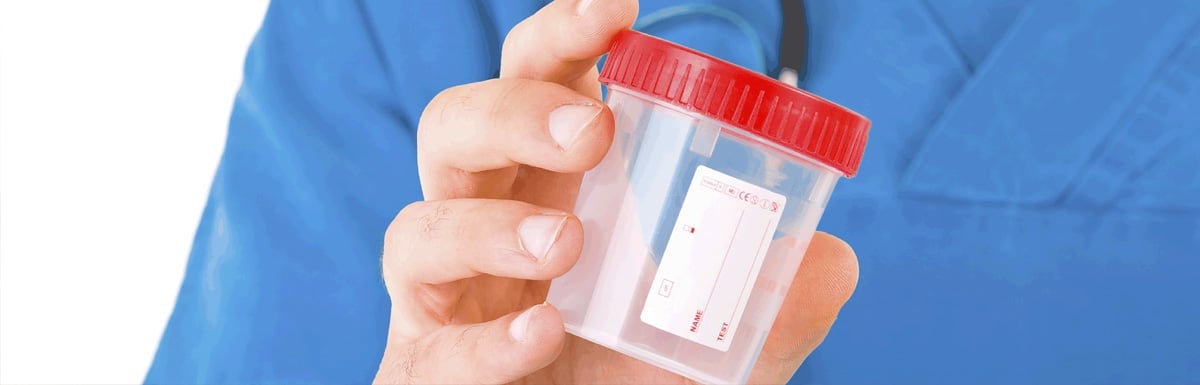
Random DOT drug testing is something every FMCSA-regulated employer and driver who has worked in the industry is familiar with.
Random DOT drug testing is mandatory for FMCSA-regulated employers, but how you manage it matters.
Programs that are poorly documented, overly predictable, or inconsistently communicated can expose employers to unnecessary risk, even when testing is taking place.
This article breaks down five practical best practices to help you manage random DOT drug testing so that your program holds up during a DOT audit.
1. Know DOT Random Drug Testing Frequency Rates
DOT random drug testing is governed by minimum annual testing rates set by the Department of Transportation and enforced by each DOT agency, including the FMCSA.
For 2026, those rates remain unchanged for the FMCSA from prior years: 50% of the average number of driver positions for random drug testing and 10% for random alcohol testing. These percentages have been in place since 2020 and continue to apply to FMCSA-regulated employers.
While the rates themselves haven’t changed, compliance issues still arise when employers:
-
Miscalculate their driver pool
-
Misunderstand what “average number of driver positions” means
-
Fail to spread selections appropriately across the year
Knowing the rates is the first step, but applying them correctly is what keeps your program audit-ready. This is where a reputable third-party administrator (like Foley) can help make a huge difference.
2. Make Random Selections Truly Random (and That Includes Days and Times)
Random DOT drug testing isn’t just about who is selected—it’s also about when. To meet DOT expectations, employers should ensure that random tests are spread unpredictably across both dates and times, rather than clustered into familiar patterns.
Testing only on certain weekdays, at the start of shifts, or during the same windows each quarter can undermine the intent of a random testing program.
A compliant approach means varying test days and times throughout the year, including before, during, and after shifts when possible. This helps maintain the integrity of the program and ensures testing reflects real-world operations, not a predictable routine drivers can anticipate.
3. Keep Accurate and Accessible Drug Testing Records
Running a DOT compliant drug testing program means being able to prove that's exactly what you're doing.
DOT auditors will expect clear documentation showing how you selected drivers, conducted tests, and handled results. Missing or incomplete records can create compliance gaps, even if the testing itself was performed correctly.
Employers should maintain accurate records for random selections, test results, refusals, follow-up testing, and any related Clearinghouse activity. These records should be easy to access during a DOT audit. Paper files won't cut it. You need digital records.
LEARN MORE: Foley outlines the BASICS of DOT drug and alcohol recordkeeping.
4. Set Expectations with Drivers Before Random Drug Testing Ever Happens
Random DOT drug testing works best when drivers understand the program long before they’re selected.
FMCSA guidance makes clear that it’s normal for some drivers to be selected multiple times in a year while others aren’t selected at all. Each random draw stands on its own, and prior selections don’t reduce a driver’s chances of being selected again.
To avoid confusion or mistrust, employers should communicate this up front through a written drug and alcohol policy that drivers receive at hire and revisit periodically.
While the timing of a random drug test must always remain unpredictable, the fact that random testing is part of the job should never be a surprise to drivers.
A well-maintained policy helps reinforce expectations, outlines consequences, and supports a consistent approach to compliance and employee education.
Here are some resources that can help:
-
The FTA offers a free policy builder (look for the link at the bottom of the page to a Word doc that you can download and customize)
-
Here's an article from Foley on how to handle substance use disorder in the workplace
5. Reduce Risk with a Trusted DOT-Compliant TPA
Random DOT drug testing compliance doesn’t end with selecting drivers—it extends to documentation, Clearinghouse reporting, and maintaining a defensible audit trail. Working with an experienced third-party administrator (TPA) helps ensure these requirements are handled consistently and in line with DOT expectations.
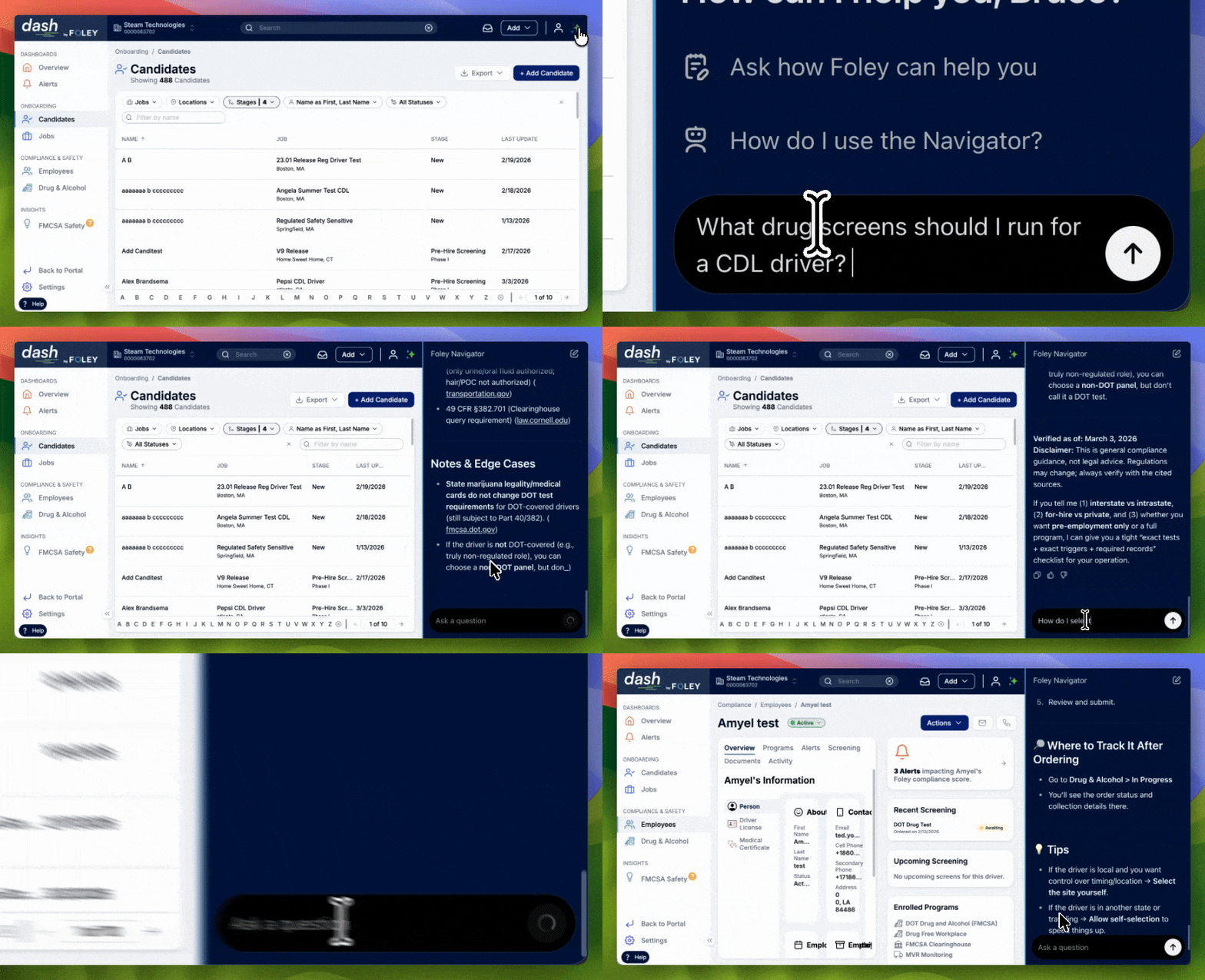
As a DOT-compliant TPA, Foley helps employers manage random drug testing programs from selection through record retention. With Dash, Foley’s all-in-one compliance platform, employers can centralize testing activity, Clearinghouse requirements, and compliance records in one place.
To see how Dash can support your random drug testing program and overall DOT compliance, request a personalized demo.
Related Articles
DOT Random Drug Testing: FMCSA 50% Random Testing Program Rate Explained
What is a Chain of Custody Form & Why Does It Matter?
FMCSA Random Testing Rate Doubling in 2020
.webp)