

Truck Fleet Management Software: The Smarter Way to Keep Your Drivers and Business Protected
Truck fleet management looks very different today than it did even a few years ago. The pressure on DOT-regulated fleets has increased, insurers are scrutinizing carriers more closely, and customers now expect a level of reliability and safety that leaves little room for administrative error. Fleets can no longer afford paper files, scattered systems, or the hope that nothing slips through the cracks.
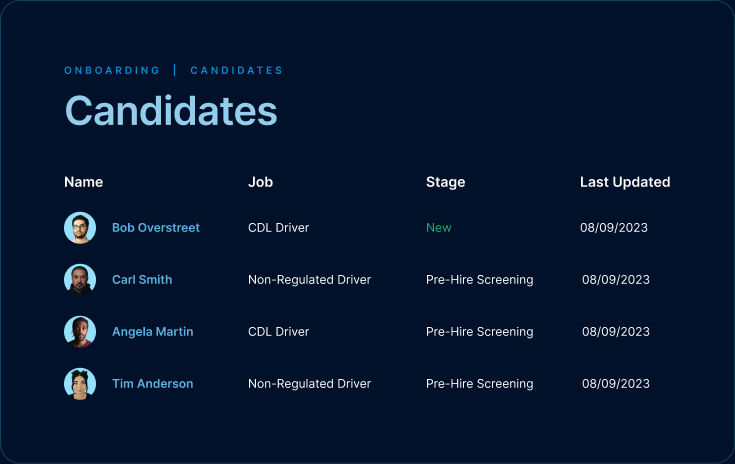
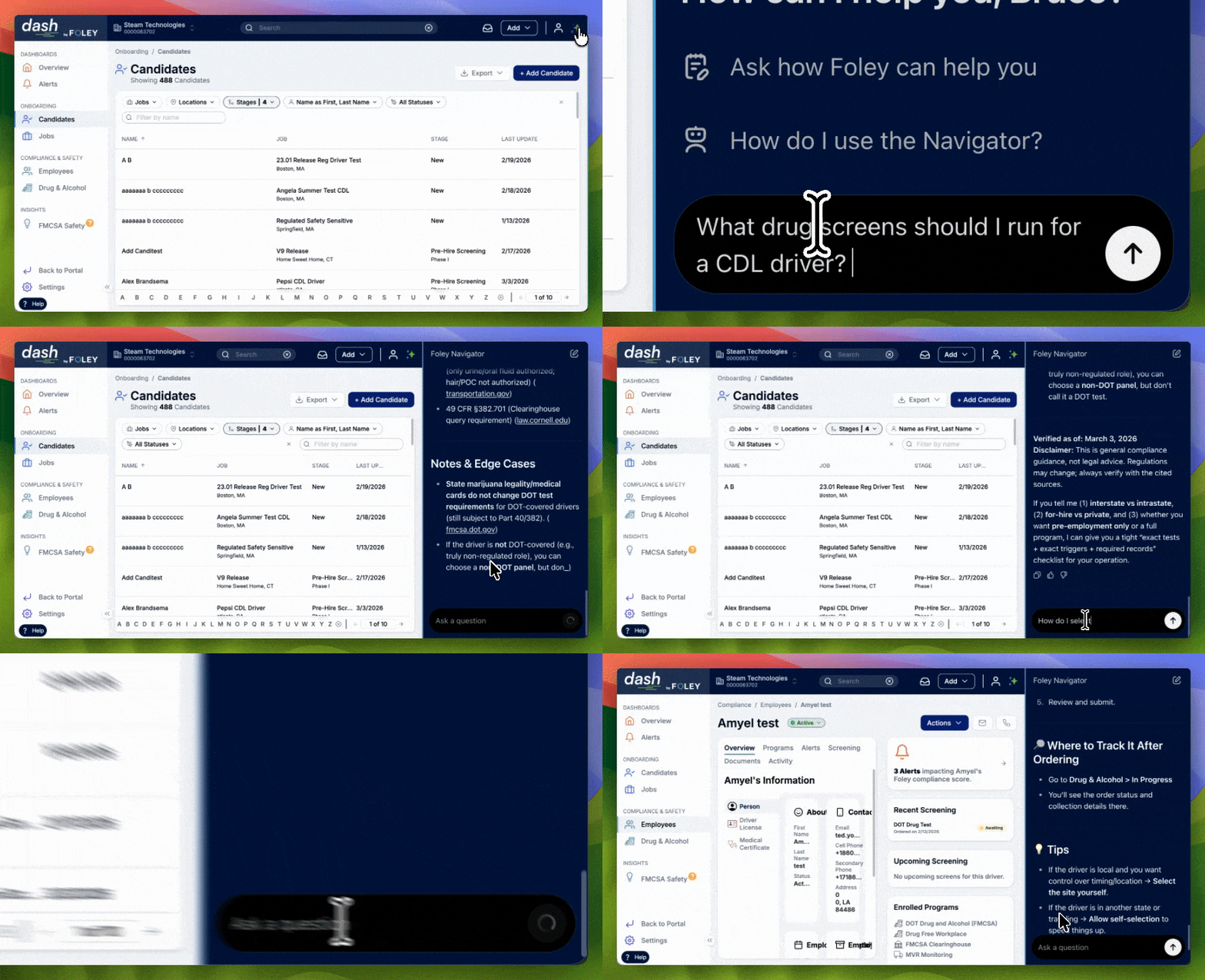
That shift is why so many companies are turning to truck fleet management software that aligns operations with compliance. Instead of relying on spreadsheets, shared folders, or a patchwork of vendors, carriers are consolidating their processes into one platform that automates tasks, centralizes documentation, and provides real visibility into risk. Foley’s software does exactly that, bringing together the people, vehicles, and records behind a fleet so companies can run safer and protect themselves from DOT violations and unexpected downtime.
What Truck Fleet Management Software Actually Does
Fleet management software is often associated with routing tools, GPS tracking, or vehicle maintenance systems. While those features matter, they don’t address the area where most financial and operational damage occurs: DOT compliance.
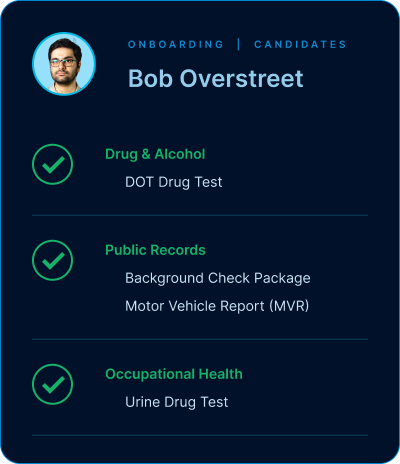
Compliance-focused fleet software is designed to keep your drivers qualified, your documents organized, and your business protected from preventable violations. Instead of managing Driver Qualification Files, MVRs, drug and alcohol testing, medical certificate renewals, and inspection records manually, the software handles the administrative load for you. Foley’s platform connects all those requirements in one place and ensures nothing is overlooked, from onboarding a new driver to maintaining audit-ready records year-round.
Explore the platform: https://www.foley.io/platform
Why Compliance Now Sits at the Center of Fleet Management
Many carriers learn the hard way that a missing document or lapsed certificate can cause more disruption than a delayed delivery or a mechanical issue. The FMCSA issues penalties year-round, and insurers increasingly expect carriers to prove that compliance processes are actively managed.
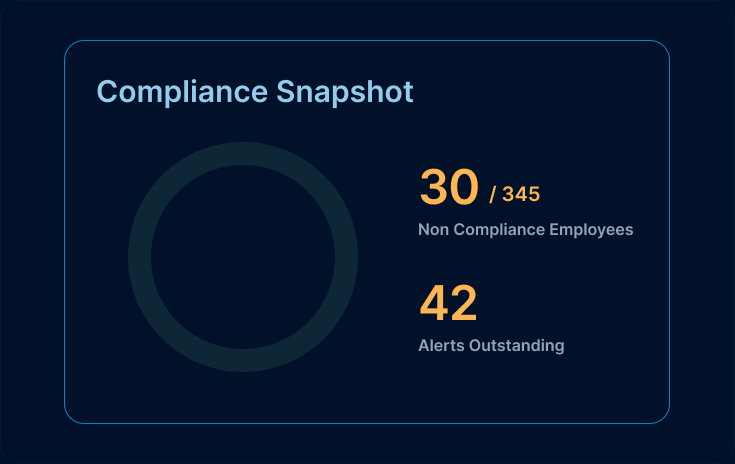
Strong compliance oversight supports every part of the business. It reduces your exposure to fines, helps keep CSA scores in check, protects drivers from sudden out-of-service orders, and keeps insurance premiums from creeping upward. When compliance is organized and automated, fleets see fewer interruptions, smoother audits, and better overall safety outcomes. It’s one of the few operational areas where improving your internal systems can directly improve your bottom line.
Essential Software Features for DOT-Regulated Fleets
When you’re evaluating truck fleet management software, the most important question is whether it supports the compliance tasks that cause the highest operational risk. For DOT-regulated fleets, the essentials include:
-
Digital Driver Qualification Files (DQFs) that stay audit-ready
-
Continuous MVR monitoring with instant alerts
-
Drug and alcohol testing management that meets Part 40
-
Medical certificate tracking that connects renewals to MVR changes
relying on paper folders, email chains, or shared documents, the software pulls the required information into one organized record. The system flags missing or outdated items and keeps renewal timelines visible so nothing quietly expires.
Real-time MVR monitoring closes a long-standing gap in compliance workflows. Annual MVR checks leave carriers exposed for eleven months at a time, especially when a driver’s license status or violation history changes unexpectedly. Continuous monitoring solves that problem by alerting the fleet as soon as something new hits the SLDA record. Carriers can act quickly, communicate with the driver, and prevent an issue from turning into an out-of-service event.
Drug and alcohol program management is another area where software provides immediate clarity. Between random pool administration, scheduling, tracking results, and meeting Clearinghouse requirements, it’s easy for even seasoned safety teams to lose time. Software that automates these steps helps fleets maintain a compliant program without added administrative work. It also ensures results and records are stored in one place where teams can access them at any time.
Medical certificate oversight remains one of the most common violation categories in FMCSA audits. Because medical cards are now tied directly to a driver’s MVR through the FMCSA’s digital integration process, carriers must have a reliable way to track expiration dates and monitor changes. Software that integrates med card tracking with MVR oversight gives fleets a clearer view of driver fitness and eliminates one of the most preventable sources of violations.
Why Many Fleet Management Tools Don’t Solve Compliance Problems
There are hundreds of software options marketed to fleets, but most were built for dispatching, routing, or equipment performance—not DOT compliance. They help trucks move efficiently, but they don’t track driver qualification, monitor safety records, or prepare a fleet for an FMCSA review.
This is why carriers often end up with a mix of telematics tools, HR systems, spreadsheets, and filing cabinets that don’t work together. The gaps between these systems create risk. A compliance-focused platform eliminates those gaps by managing the administrative and regulatory requirements that other tools ignore.
The Broader Benefits of Compliance-Centered Software
Although compliance is the core focus, software that organizes and automates these responsibilities tends to improve almost every part of daily operations.
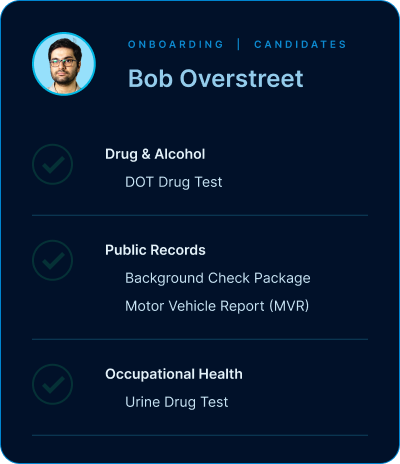
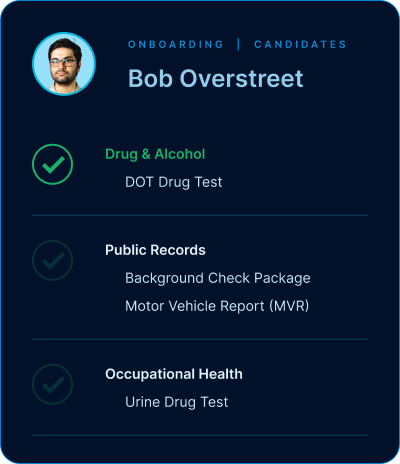
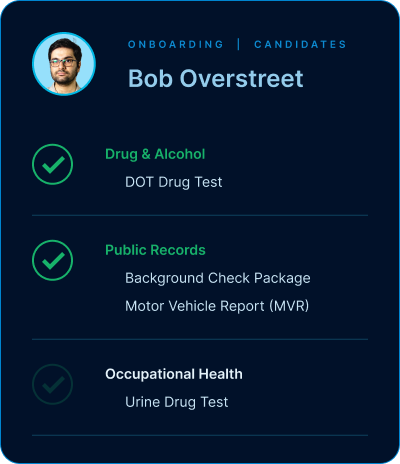
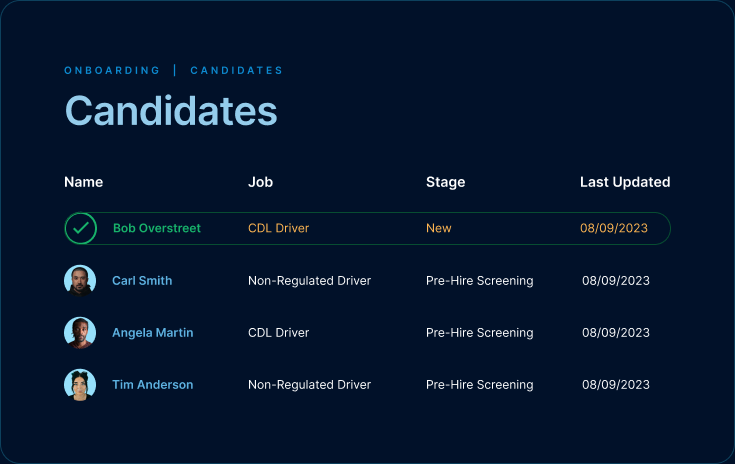
Teams spend far less time chasing paperwork or fixing avoidable mistakes. Leaders gain visibility into the health of the fleet, driver performance, and emerging risks. Fleets experience fewer surprises during audits and inspections. And onboarding becomes faster because the system guides new drivers through every required step.
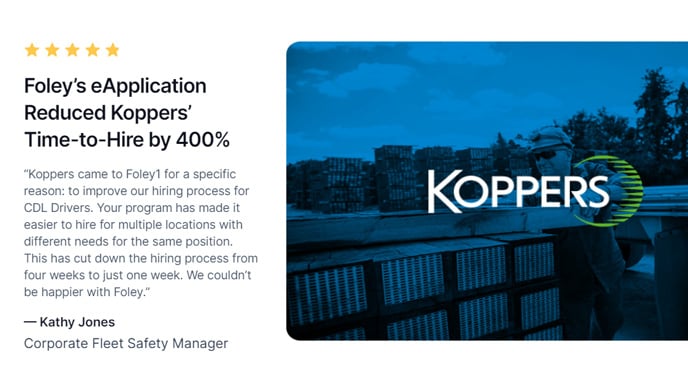
With Foley’s platform, these improvements aren’t theoretical. Fleets across transportation, distribution, construction, and utilities have reported faster hiring, cleaner files, and smoother audits after consolidating compliance into one system.
Compare plans: https://www.foley.io/pricing
Who Benefits Most From Compliance-Driven Fleet Management Software
Any carrier that operates DOT-regulated vehicles can benefit from compliance automation, whether it’s a small business with a handful of trucks or an enterprise-level private fleet with hundreds of mixed-duty drivers. The FMCSA holds every fleet to the same standard, regardless of size, and the risk of relying on manual tracking is the same across the board.
Fleets that hire frequently, operate across multiple regions, or maintain a mix of CDL and non-CDL drivers tend to see the biggest gains. Their compliance requirements change often, and digital oversight allows teams to catch issues early instead of reacting after something has gone wrong.
How to Choose the Right Software for Your Fleet
Choosing the right fleet management software starts with understanding your compliance needs. Look for a platform that supports the full range of DOT requirements, from DQFs and MVR monitoring to drug and alcohol testing, med card tracking, and vehicle records. The system should be easy for your team to use, transparent in how it surfaces risk, and designed around FMCSA rules rather than generic HR or transportation workflows.
A strong platform should reduce your workload, not add to it. Foley’s approach centers on automation, clarity, and audit readiness so fleets can focus on safe operations rather than administrative paperwork.
See Foley’s Platform in Action
If your fleet is juggling compliance across multiple systems, or if manual tracking is starting to feel unmanageable, it’s time to see how modern software can reduce your risk and simplify your operations.
Foley brings every compliance requirement into one connected platform that helps fleets stay organized, informed, and confident in their DOT readiness.
Request a demo: https://www.foley.io/demo
Related Articles