



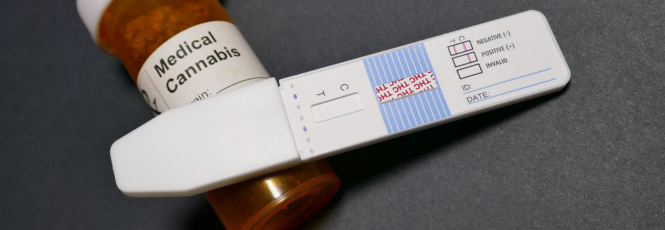
How Marijuana Rescheduling Would Impact DOT-Regulated Employers & Drivers
The Trump Administration is considering rescheduling marijuana from Schedule I to Schedule III under the Controlled Substances Act.
The announcement was made in an executive order released on December 18, 2025.
This drastic change would:
-
Acknowledge that marijuana has accepted medical uses
-
Remove certain tax burdens from cannabis businesses
-
NOT impact state-level recreational and medical marijuana laws
-
NOT federally legalize marijuana (it would remain a controlled substance)
Critical Implications for DOT Compliance
Has marijuana been rescheduled? No. But if the Trump Administration moves forward with the rescheduling, the DOT will likely lose its authority to test for marijuana.
The Department of Health and Human Services (HHS) sets mandatory drug testing guidelines that the DOT must follow under 49 CFR Part 40. These guidelines only authorize testing for Schedule I and Schedule II substances. Schedule III drugs (like ketamine and anabolic steroids) are not included on the testing panel.
If marijuana moves to Schedule III, the HHS would no longer require testing for it, and the DOT would be required to stop immediately, despite marijuana accounting for 60% of all positive drug tests in the FMCSA Clearinghouse.
What the Marijuana Rescheduling Consideration Means Right Now
Nothing has changed yet. Currently:
-
Marijuana remains a Schedule I substance
-
DOT drug testing still includes marijuana
-
Positive tests still end driving careers until the return-to-duty process is completed
-
The FMCSA Drug and Alcohol Clearinghouse continues to track violations
What DOT- Regulated Companies Should Do Now
Now is the time to strengthen your company’s drug testing policies.
-
Company-authority testing is separate from DOT testing. Employers can maintain their own drug testing programs regardless of federal requirements
-
Build robust drug testing policies that include:
-
A clear list of prohibited substances (including marijuana)
-
Testing protocols (pre-employment, random, post-accident, and reasonable suspicion)
-
Documented consequences for violations
-
-
Consistent application to all safety-sensitive employees
-
Nuclear verdict protection: In liability lawsuits, employers need documentation showing they went beyond minimum compliance to demonstrate a commitment to safety
The Continuous Need for Marijuana Testing
Even if the federal testing authority disappears, reputable DOT-regulated employers should continue marijuana testing under their own company policy due to insurance requirements, shipper demands, and liability concerns. Remember, federal legality does not have to equal employment eligibility.
Need help navigating DOT drug testing? Talk to a Foley compliance consultant to ensure you’re meeting the latest federal requirements
Related Articles
March 2023 Significant Rulemaking Report
3 Reasons Paper DOT Driver Qualification Files Aren't Cutting It Anymore
October 2020 Significant Rulemaking Report