








DOT Requirements for Drug Testing: Pre-Employment DOT Drug Testing Regulations 101
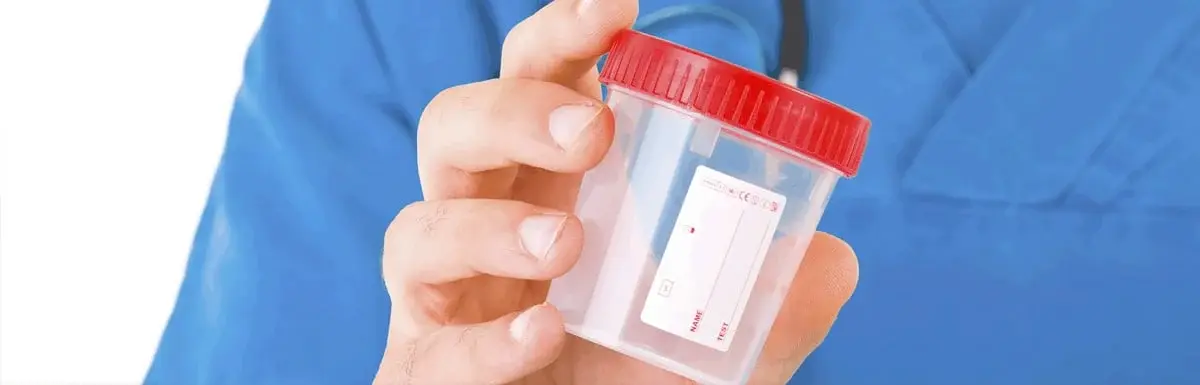
Most FMCSA-regulated business owners understand that drivers are required to take a pre-employment drug and alcohol test.
Although pre-employment drug testing is a relatively uncomplicated process, there are specific requirements that must be met.
What is a DOT Pre-Employment (PE) Drug Test?
This is the initial urine drug screen that should be given after you have decided to hire an applicant or re-hire a driver who previously worked for you.
What Does a DOT Drug Test For?
The following substances must be screened for in DOT (Department of Transportation) drug tests in order to determine whether an applicant or employee has recently used any of them:
-
Marijuana (THC) Operate a vehicle that can transport at least 16 passengers, including the driver
-
Phencyclidine (PCP)
-
Amphetamines
-
Opiates (heroin, hydrocodone, hydromorphone, oxycodone, and oxymorphone)
-
Cocaine
DOT Pre-Employment Drug Testing Requirements
Drivers are required to take a pre-employment drug test if they:
-
Operate a vehicle with a Gross Vehicle Weight Rating (GVWR) or Gross Combination Weight Rating (GCWR) of at least 26,001 pounds
-
Operate a vehicle that can transport at least 16 passengers, including the driver
-
Transport hazardous materials that require placarding
Newly hired drivers and returning drivers who have been excluded from a random drug and alcohol testing program for 30 days or longer must complete a pre-employment drug test before operating a commercial motor vehicle. This includes owner-operators and employees of family-run operations.
When Does a DOT Pre-Employment Drug Test Have to be Completed?
The drug test must be completed before a driver begins operating a commercial motor vehicle. This doesn’t mean a driver can go to a collection site, take the test, and immediately hop in a truck to start driving. Before they can legally drive, the entire testing process must be completed. In other words, the urine specimen must be sent to the laboratory and a verified negative result must be received first.
After the drug test is completed, the driver must then be added to a random drug and alcohol testing pool within 30 days.
Can a Pre-Employment Drug Test That Was Taken with a Different Company Be Used?
Although there are circumstances in which previous drug test results can be used, there are complex stipulations and requirements that must be met to do so. We always recommend completing a new pre-employment drug test any time a driver is hired or rehired.
Where Do You Go to Take a Pre-Employment Drug Test?
Most DOT-qualified collection sites are walk-in medical centers. For example, Foley offers a network of collection sites located across the country to companies enrolled in our drug and alcohol testing program.
What Happens if an Employee Fails a Pre-Employment Drug Test?
If a drug or alcohol test produces a positive result, the driver may not begin operating for any motor carrier until the entire return-to-duty process is complete. Read more about the return-to-duty process and what it involves here.
Keep in mind that the FMCSA Drug & Alcohol Clearinghouse makes it nearly impossible for drivers to apply at various companies without disclosing a past positive drug test result.
Consequences of Not Completing a Pre-Employment Drug Test
If, for whatever reason, a pre-employment drug test is overlooked, it must be completed as soon as possible. That being said, an incomplete DOT drug and alcohol test can cause serious problems when an FMCSA audit occurs.
In the case of a New Entrant Safety Audit, an incomplete pre-employment drug screen will result in an automatic failure. If it’s discovered during a Compliance Review, significant fines will be issued.
What Other Forms of DOT Drug Tests Are Required in Addition to Pre-Employment
Pre-employment drug tests are essential for all prospective candidates who apply to safety-sensitive jobs. Employers regulated by the FMCSA must ensure all candidates take pre-employment DOT drug tests before they can begin their jobs.
In addition to this, DOT drug tests are required in the following circumstances:
-
Post-Accident Drug Tests: Required in fatal accidents regardless of whether the driver was cited, injury accidents when the driver was cited that required emergency medical treatment, or property-damage-only accidents when the driver was cited that required towing.
-
Random Drug Tests: Drivers who work for FMCSA-regulated employers must undergo random drug tests during the year.
-
Reasonable Suspicion Drug Testing: For employees in safety-sensitive positions who are suspected to be under the influence of drugs or alcohol. Tests may be performed unannounced.
-
Return-to-Duty Drug Testing: If a regulated employer wants to return an employee to their safety-sensitive job after the employee has refused a drug test or submitted a positive result, they must undergo the return-to-duty test process under a substance abuse professional. 3
-
Follow-Up Drug Testing: If an employee is returned to their job following an RTD test, they must undergo a minimum of six follow-up drug tests during the first 12 months after their return to duty.
Ensure Your Pre-Employment Drug Testing Program is Accurate & Compliant With DOT Regulations
The importance of pre-employment drug testing cannot be overstated. If you have questions or concerns, contact us here at Foley and our team of DOT compliance experts will walk you through the process.
If you're ready to enroll your drivers in a DOT drug testing program to meet the latest federal regulations, request a free demo of our software solution that automates these complex requirements and makes it easier for your company to stay compliant.
Related Articles
Temporary Changes to Pre-Employment Exemption Window
How Marijuana Rescheduling Would Impact DOT-Regulated Employers & Drivers
DOT Announces Addition of Oral Fluid Drug Testing to Federal Procedures
.webp)