NOVEMBER 16, 2017 – Beginning on January 1, 2018, anyone taking a federally-mandated, DOT drug test will be tested for four additional substances. This change is designed to reflect our country’s growing opiate epidemic by including some of today’s most commonly prescribed and abused substances.
Current Drug Testing Panel
Currently, the Department of Health & Human Services (HHS) mandates that urine specimens are tested for the following controlled substances for federal DOT purposes:
- Marijuana
- Cocaine
- Phencyclidine (PCP)
- Amphetamines / Methamphetamines
- Opiates (Codeine, Morphine, Heroin)
- MDMA (Ecstasy)
Upcoming Drug Testing Panel
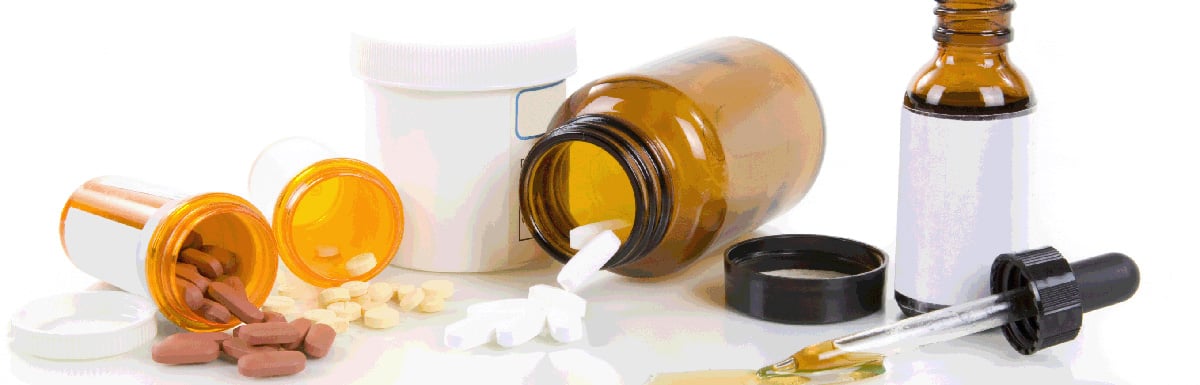
In addition to the substances listed above, the HHS has expanded the drug testing panel to include the semi-synthetic opioids Oxycodone, Oxymorphone, Hydrocodone and Hydromorphone. These are more commonly known as OxyContin, Percodan, Percocete and Vicodin.
Let Foley run your drug and alcohol testing
“Adding these four drugs, which are already tested for in many transportation employers’ non-DOT testing programs because of their widespread use and potentially impairing effect, will allow the DOT to detect a broader range of drugs being used illegally,” the DOT said in their announcement. “Transportation industries are not immune to this trend and the safety issues it raises.”
Valid Medical Prescriptions
As explained in a previous blog – Positive Drug Test Results: What You Need to Know – thanks to the Medical Review Process, an individual who holds a valid medical prescription (and has been given the okay to perform safety-sensitive functions, such as driving) will be given the opportunity to present the prescription and prevent a positive test result.
Questions, concerns or comments? Leave them in the comments section below!

 Case study
Autonomous Transport Meets Digital Onboarding + Automated Driver Files