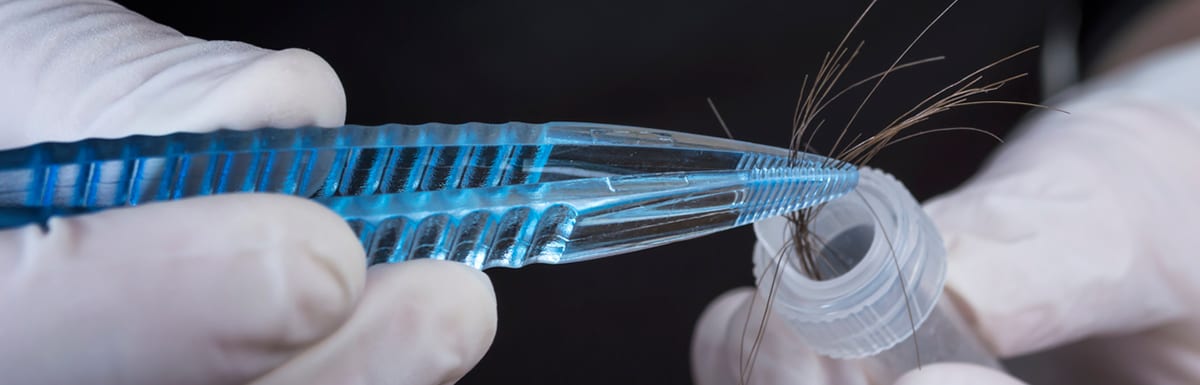
A recent study found that nearly 300,000 CDL drivers who are currently employed would fail a drug test if they were required to take a hair follicle drug test instead of a urine test.
This study was conducted by two professors at the University of Central Arkansas and was funded by the Trucking Alliance.

“Previous research indicates urinalysis may be an insufficient method of ensuring commercial driver sobriety,” the research stated. “Evidence presented by The Trucking Alliance, and verified in this research, supports these findings and urinalysis’ insufficiency.”
Where Does Hair Testing Stand?
Although hair testing was given federal approval to be used as a DOT-compliant drug testing method in 2015, there were questions about the method’s accuracy that required additional research. The two big questions had to do with whether hair color impacted the results and whether external exposure (to marijuana smoke, for example) could trigger a positive test.
Because of these questions, the rule has been under federal review since that time. However, work on the rule was nearing completion at the end of 2019, with federal officials projecting that a final rule would be released this year. When it is, carriers will be able to choose between urinalysis and hair testing for all DOT-regulated drug tests.
Because of its increased accuracy, many larger carriers have been sending drivers for both urine and hair follicle drug tests before they are hired. When the rule does go into effect, it will be welcome news to these carriers who have been pushing for the federal government to recognize hair testing for years.

The Implications of Hair Testing
While urine testing is an effective drug testing method, it only shows recent usage – in many cases, just 2-3 days back. For drivers changing jobs who know they’ll have a pre-employment test coming up, their test will most likely come back negative as long as they refrain from using drugs for a few days.
But hair follicle drug testing is different – and that’s why it’s become so widely used by larger employers. These tests show patterns of drug use going back months to provide a clearer picture of an individual’s drug history. The only way to get a negative test result, is to refrain from doing drugs over the long term. Even a single instance of using drugs will show up for months – the changes it makes to the hair is permanent and won’t fade or wash out.
With the help of past studies that were focused on urinalysis and its effectiveness in keeping unsafe drivers off the road, the researchers of this study have concluded that once hair testing goes into effect, it could result in the removal of 300,000 CDL drivers from the road. All of these drivers will be ruled “ineligible” in the DOT Clearinghouse and won’t be able to resume safety-sensitive functions until they complete the return-to-duty process. As we recently reported, they also won’t be able to renew their CDLs.
As an employer, this should be a frightening statistic as it highlights the number of unsafe drivers that may be operating on our nation’s roadways – they may even be driving for you company.
However, you don’t have to wait until hair follicle drug testing becomes a DOT-approved testing method to begin using it in your company. By starting now, you’ll be able to identify unsafe drivers immediately and focus on building a safe fleet before the driver shortage worsens.
To learn more about hair testing and creating a policy at your company, please click here or call (860) 815-0764.

 Case study
Autonomous Transport Meets Digital Onboarding + Automated Driver Files