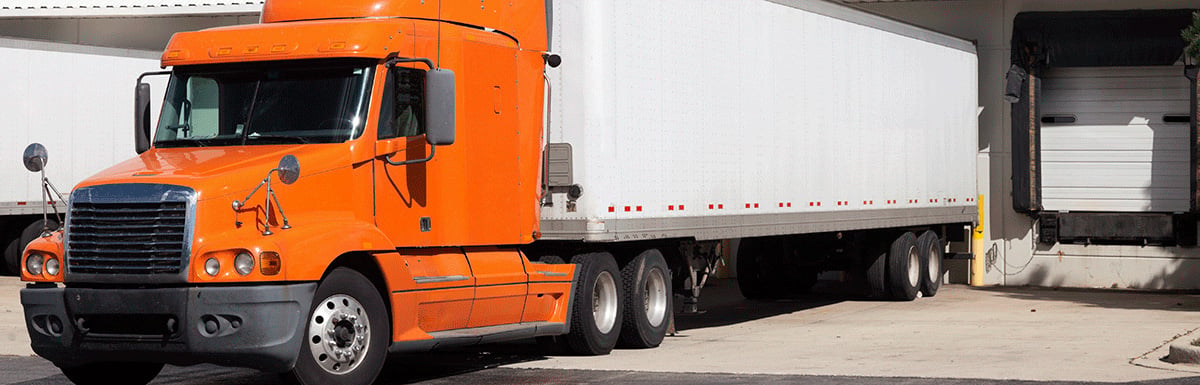
The FMCSA expects all DOT-regulated business owners to do their part in dissuading non-compliant behavior while drivers are on the road. But aside from accompanying them on their trips, many owners are at a loss as to what they can do.
Disciplinary Policies
It is important that all DOT-regulated employers implement a set of progressive disciplinary policies that all drivers are required to agree to and sign. Policies should be issued at the time of hire and filed in the employee’s personnel file. Disciplinary policies should clearly lay out what your expectations are while drivers are on the road and what steps will be taken should a driver deviate from the policy. All policies should illustrate the repercussions of a first-time violation and subsequent violations. For example: a driver’s first speeding violation will result in a verbal warning, followed by a written warning for the second violation. Subsequent violations will result in a suspension without pay, followed by termination of employment for a fourth violation.
Carrying out Disciplinary Action
Having signed disciplinary policies is all well and good as long as you are actually carrying out the disciplinary action when necessary. Once you have a policy in place, it’s crucial that you’re strictly enforcing your policies and documenting any and all actions taken.
Run Driver Motor Vehicle Reports (aka driving records) on a Regular Basis
This is the best way to know of any moving violations or infractions your driver may have received that he/she hasn’t told you about. The FMCSA requires you to run motor vehicle reports for your drivers at least once every 12 months, but the best practice is to run them every month or two.
Driver Training
It is up to you to ensure that you’re using drivers who have adequate knowledge of FMCSA requirements. At a minimum, best practice is to require all new hires to complete Hours of Service and Defensive Driver Training within 30 days of their hire date. You should also make sure drivers are aware of where to find specific FMCSA regulations regarding logging hours and vehicle maintenance.
You must be able to demonstrate that you take all possible measures to ensure the safety of your drivers and your vehicles. Just as parents are held responsible for the illicit behaviors their children may engage in, the FMCSA considers you responsible for your drivers.

 Case study
Autonomous Transport Meets Digital Onboarding + Automated Driver Files